
Rep. Of Ireland
Ireland
Venue
The Republic of Ireland national football team, also known as the "Boys in Green," represents the Republic of Ireland in international football competitions. Over the years, the team has garnered a reputation for its passionate play, solid defense, and strong team spirit. Although Ireland is not one of the largest footballing nations, it has made significant contributions to the sport and continues to be a respected team on the international stage.
History of the Republic of Ireland National Football Team
The Republic of Ireland national football team was officially established in 1921. The team initially played against smaller nations, and it was not until later that they began to make a serious impact on the international scene. The Republic of Ireland is one of the few nations that competes separately from the United Kingdom's teams (England, Wales, and Northern Ireland).
Throughout its history, Ireland has had varying levels of success. One of the most significant moments came in the 1990 FIFA World Cup when the team made a surprise run to the quarter-finals. Under the management of Jack Charlton, the team’s style of play and organization allowed them to reach the pinnacle of global football.
Match Predictions
- Southampton vs. Arsenal Predictions & Betting Tips on Apr 04 - 22:00 PM
- West Ham vs. Leeds Predictions & Betting Tips on Apr 04 - 22:00 PM
- Chelsea vs. Port Vale Predictions & Betting Tips on Apr 04 - 22:00 PM
- Manchester City vs. Liverpool Predictions & Betting Tips on Apr 04 - 22:00 PM
- Manchester United vs. Leeds Predictions & Betting Tips on Apr 11 - 22:00 PM
Since then, the Republic of Ireland has continued to participate in numerous tournaments, including the UEFA European Championship and FIFA World Cup qualifiers. While they have not repeated the same level of success as in 1990, the team remains an important fixture in international football, consistently fighting for qualification to major tournaments.
Major Achievements
The Republic of Ireland may not have won a major international title, but the team has achieved several memorable milestones over the years. Some of their key achievements include:
-
1990 FIFA World Cup: The Republic of Ireland's most successful World Cup campaign came in 1990. Under the guidance of manager Jack Charlton, they reached the quarter-finals, stunning many by beating teams such as Romania in the Round of 16. This remains their best performance in a World Cup to date.
-
UEFA Euro 1988: Another significant achievement was their debut at UEFA Euro 1988. Although they did not progress far in the competition, making their first appearance in a major international tournament was an important milestone in Ireland’s footballing history.
-
UEFA Euro 2016: In Euro 2016, the Republic of Ireland had a strong showing, reaching the Round of 16. Their exciting victories, including a win against Italy in the group stage, and their fighting spirit made their fans proud.
-
Consistent Qualification for Tournaments: Over the years, the Republic of Ireland has regularly qualified for UEFA European Championship and FIFA World Cup qualifiers, even if they have sometimes fallen short of making it into the tournament’s later stages.
Key Players in Republic of Ireland’s Football History
The Republic of Ireland has produced several football legends over the years. These players have played at the highest levels in domestic leagues and international football. Some of the most notable Irish players include:
-
Roy Keane: One of Ireland's most iconic players, Roy Keane is widely regarded as one of the best midfielders of his generation. He played for Manchester United, where he won numerous Premier League titles and the UEFA Champions League. Keane was also a crucial part of the Republic of Ireland national team and was known for his leadership and combative style of play.
-
Robbie Keane: The Republic of Ireland's all-time top scorer, Robbie Keane is considered one of the greatest players in the nation’s football history. With over 60 international goals, Keane had a long and successful career, playing for clubs like Tottenham Hotspur, Liverpool, and LA Galaxy.
-
John Aldridge: Aldridge is another legend of Irish football, having made significant contributions to both club and international football. He played as a striker and was a key figure in Ireland’s Euro 1988 campaign. He scored several important goals during his international career.
-
Darren Randolph: A key figure in the Republic of Ireland’s recent campaigns, goalkeeper Darren Randolph has been a reliable presence between the posts. He has earned praise for his consistent performances and leadership on the pitch.
-
Shane Long: Known for his pace and ability to score crucial goals, Shane Long has been an important player for Ireland, especially during World Cup and Euro qualification campaigns. He played in the Premier League for teams like Southampton and has been an important part of Ireland’s attack.
These players and many others have shaped the legacy of the Republic of Ireland national football team.
Republic of Ireland’s Playing Style
The Republic of Ireland national team has historically been known for its organized and disciplined defensive style. Under various managers, Ireland has focused on maintaining a solid defensive structure while attempting to exploit counter-attacks and set pieces. The team’s compact formation makes it difficult for opponents to break down their defense, especially when playing in major tournaments.
Ireland has typically favored a direct style of play, with a focus on getting the ball forward quickly and creating opportunities through the wings and long balls. Their defensive setup is crucial to their approach, as they aim to frustrate opponents and capitalize on any mistakes.
While Ireland has occasionally struggled with possession-based football, they have made a name for themselves by grinding out results, often relying on set-piece situations and quick transitions to score goals.
Memorable Matches and Rivalries
The Republic of Ireland has had several unforgettable matches throughout their footballing history. One of the most notable games came during Euro 2016 when they secured an emotional 1-0 win over Italy to qualify for the knockout stage of the tournament. This result was a perfect example of Ireland's resilient and determined approach to football.
Another significant match occurred during the 1990 World Cup when Ireland defeated Romania in a penalty shootout to reach the quarter-finals. This was a historic moment for Irish football, as it was their first-ever appearance in the latter stages of a World Cup.
The Republic of Ireland also has a fierce rivalry with Northern Ireland. Matches between the two teams are always highly competitive, as they carry both sporting and political significance. These games are filled with passion and intensity, as both teams look to assert their dominance on the pitch.
Football Stadiums of the Republic of Ireland
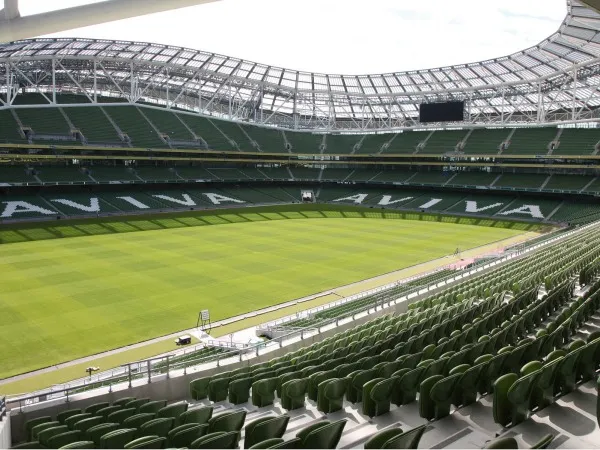
The Aviva Stadium in Dublin is the home stadium of the Republic of Ireland national football team. Opened in 2010, the stadium is known for its modern design and impressive atmosphere. It regularly hosts major international fixtures and is considered one of the top football stadiums in Ireland.
In addition to the Aviva Stadium, other football venues across Ireland, such as Croke Park and Tallaght Stadium, are also used for domestic football matches and have hosted international fixtures.
Youth Development and the Future of Irish Football
The future of the Republic of Ireland national football team lies in the development of young talent. The Football Association of Ireland (FAI) has implemented several programs aimed at improving the standard of youth football across the country. These programs focus on identifying promising players at an early age and providing them with the necessary coaching and facilities to progress in their careers.
In addition, Ireland has invested in improving its football infrastructure, building new training facilities, and establishing partnerships with top European clubs. This investment will help ensure that the Republic of Ireland continues to compete at the highest levels of international football for years to come.
Conclusion
The Republic of Ireland national football team has a rich history and has made significant contributions to the sport, despite not always having the same resources as other footballing nations. From their 1990 World Cup heroics to their performances in the Euro 2016 tournament, the team has consistently punched above its weight and has garnered a loyal following of fans. With a focus on youth development and ongoing investment in the sport, the future of Irish football looks promising.
News & Updates