
Bosnia & Herzegovina
Bosnia
Venue
The Bosnia & Herzegovina national football team represents the country of Bosnia and Herzegovina in international football competitions. The team is governed by the Football Association of Bosnia and Herzegovina (NFSBiH) and has made significant strides in global football since its formation after the country’s independence from Yugoslavia. Although Bosnia & Herzegovina is a relatively young nation in football terms, its national team has already made a major impact on the international stage.
Early History and Formation
Bosnia and Herzegovina's national football team was established after the country gained independence in the early 1990s. Prior to this, the country was part of the Socialist Federal Republic of Yugoslavia, where players from Bosnia and Herzegovina represented Yugoslavia at various levels. The team played its first official match in 1995, and over the years, it steadily built its reputation. Though Bosnia and Herzegovina initially struggled to make an impact in international football, the team’s persistence paid off as it started to qualify for major tournaments in the 2000s.
Bosnia & Herzegovina's Performance in World Cup Qualifiers
Bosnia and Herzegovina has participated in several FIFA World Cup qualification campaigns, with the 2014 World Cup being their first appearance at the tournament. Their road to Brazil was marked by strong performances, where they finished first in their group, ahead of powerful teams like Greece and Slovakia. The team’s ability to score goals, thanks to the prolific Edin Džeko and other attacking players, earned them a spot in the knockout stages of the tournament. Bosnia’s qualification for the 2014 World Cup marked a major milestone in the country’s footballing history.
Match Predictions
- Mexico vs. South Africa Predictions & Betting Tips on Jun 12 - 03:00 AM
- South Korea vs. Czech Republic Predictions & Betting Tips on Jun 12 - 10:00 AM
- Canada vs. Bosnia & Herzegovina Predictions & Betting Tips on Jun 13 - 03:00 AM
- USA vs. Paraguay Predictions & Betting Tips on Jun 13 - 09:00 AM
- Qatar vs. Switzerland Predictions & Betting Tips on Jun 14 - 03:00 AM
UEFA European Championship Qualification
Bosnia and Herzegovina has also competed in several UEFA European Championship (Euro) qualification campaigns. Although they have not qualified for the tournament as of yet, their performances have been impressive. In the 2004 Euro qualifiers, the team finished third in their group, narrowly missing out on qualification. They came close again in the 2016 qualifiers, finishing just outside the automatic qualification spots. Nevertheless, the team’s strong performances in these campaigns have shown that they are a force to be reckoned with in European football.
Key Players in Bosnia & Herzegovina's Football History
Bosnia and Herzegovina has produced a number of football stars who have contributed to the team’s success on the international stage. Some of the key players in the team's history include:
-
Edin Džeko: One of the most famous Bosnian footballers, Džeko has been a key figure for both club and country. With a prolific career at clubs like Roma, Manchester City, and Wolfsburg, Džeko is Bosnia's all-time top scorer and a leader on the field.
-
Miralem Pjanic: A talented midfielder known for his vision, passing, and technical skills, Pjanic has been an essential player for Bosnia and Herzegovina. He has played for top clubs like Juventus and Barcelona.
-
Asmir Begović: A goalkeeper with a strong presence, Begović has played for top European clubs such as Chelsea and Bournemouth. He has been an essential figure for the national team, providing stability and leadership in goal.
-
Vedad Ibišević: A former striker, Ibišević played an important role in Bosnia’s rise in international football, contributing goals and leadership in the forward line.
Bosnia & Herzegovina’s Football Style and Tactics
Bosnia and Herzegovina’s football style is characterized by an attacking approach and a focus on possession. Under various managers, the team has been known for its fast, dynamic play and emphasis on quick transitions. The team has also focused on utilizing their attacking players, such as Edin Džeko, to create scoring opportunities. The midfield, led by players like Miralem Pjanic, has been the engine room of the team, with the ability to control the tempo and deliver key passes. Defensively, Bosnia and Herzegovina has shown resilience but has sometimes been vulnerable against high-quality opponents.
Memorable Matches and Milestones
Bosnia and Herzegovina has had several memorable matches and milestones in its football history:
-
2014 World Cup Qualification: Bosnia’s qualification for the 2014 FIFA World Cup was one of the biggest achievements in the country’s football history. Their dominant group stage performance, which saw them finish ahead of Greece and Slovakia, was a testament to the team’s growing strength.
-
Victory Over Argentina (2014): In the 2014 World Cup, Bosnia earned a famous victory over Argentina in a pre-tournament friendly, defeating the South American giants 3-2. Though the match didn’t count in the official standings, it was a morale-boosting win that showcased Bosnia's potential.
-
Tight Euro Qualifiers: Bosnia’s close calls in the UEFA Euro qualifiers, such as their near miss for Euro 2016, were significant moments in the team’s progress. They demonstrated the competitive nature of the team and their ability to challenge Europe’s best.
The Football Association of Bosnia & Herzegovina
The Football Association of Bosnia and Herzegovina (NSBiH) is the governing body responsible for managing all football-related activities in the country. The NSBiH is in charge of organizing domestic competitions, overseeing youth development, and representing Bosnia and Herzegovina in international football organizations. The association has played a crucial role in improving football infrastructure in the country and promoting the sport at all levels.
Bosnia & Herzegovina’s Football Rivalries
Bosnia and Herzegovina has a few notable football rivalries that have grown over the years:
-
Serbia: The rivalry between Bosnia and Herzegovina and Serbia is one of the most intense in the region. Both nations share a complex history, and their football matches are often charged with emotional and political significance.
-
Croatia: Another heated rivalry is with neighboring Croatia. Both teams share a regional rivalry within the former Yugoslavia, and their encounters are always highly anticipated.
-
Slovenia: Bosnia and Herzegovina’s matches against Slovenia have become increasingly competitive, as both countries strive to assert their dominance in the Balkans.
Youth Development in Bosnia & Herzegovina
Youth development is a key focus for the Football Association of Bosnia and Herzegovina. The country has made significant progress in developing young talent and improving the football infrastructure. Several academies and youth teams have been established to identify and nurture future football stars. This investment in youth football is seen as crucial for the long-term success of the national team, as it aims to build a sustainable pipeline of talent.
Bosnia & Herzegovina’s Football Infrastructure
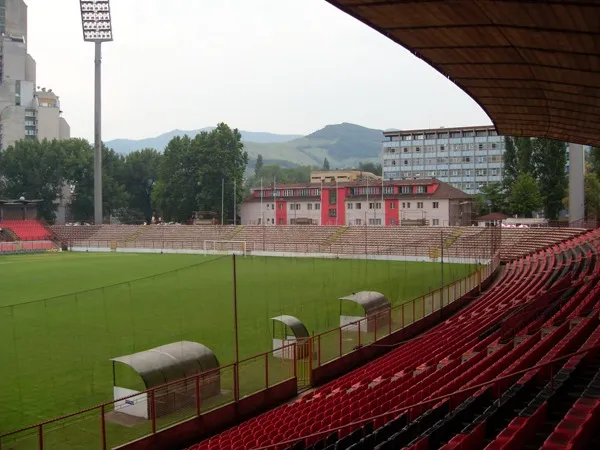
Bosnia and Herzegovina has made efforts to improve its football infrastructure in recent years. Modern stadiums, such as the Bilino Polje Stadium in Zenica, have been renovated to meet international standards. In addition, the country has focused on building state-of-the-art training facilities for the national team and domestic clubs. These improvements are expected to provide the necessary resources for the development of football talent and the overall growth of the sport in Bosnia and Herzegovina.
Bosnia & Herzegovina’s Football Future
The future of Bosnia and Herzegovina football looks promising. With a talented generation of players and ongoing investments in youth development, the country is well-positioned to continue competing at a high level in European and global football. The team’s ambitions remain focused on qualifying for major tournaments like the UEFA European Championship and FIFA World Cup, and they are determined to build on their previous successes.
Conclusion
The Bosnia and Herzegovina national football team has achieved remarkable success in a relatively short period since its independence. From qualifying for the 2014 FIFA World Cup to producing world-class players, the team has earned respect in international football. With a bright future ahead, Bosnia and Herzegovina will continue to challenge the best in Europe and beyond. The nation’s commitment to developing talent and improving football infrastructure ensures that the team will remain competitive for years to come.
News & Updates