
Lithuania
Lithuania
Venue
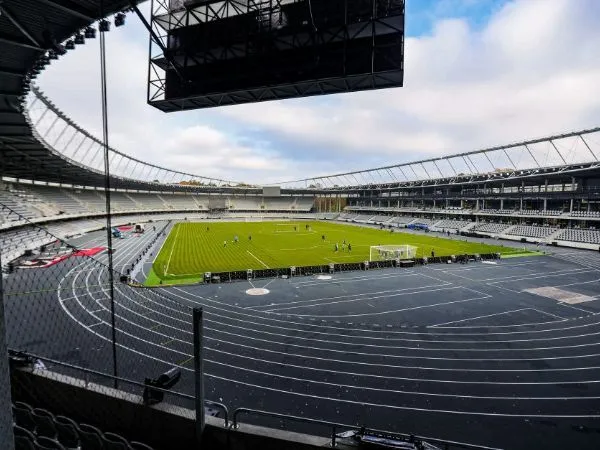
Lithuania FC is the national football team of Lithuania, representing the country in international football competitions. Founded in 1922, Lithuania’s national football team has had a long and interesting history, with its performances varying over the years. The team plays its home matches at the LFF Stadium in Vilnius, the capital of Lithuania, and is governed by the Lithuanian Football Federation. While the team may not have achieved the highest levels of international success, Lithuania’s football team remains an important part of the country's sports culture, and the passion for the game is widespread throughout the nation.
Lithuania FC competes in various international competitions, including the FIFA World Cup and UEFA European Championship qualifiers, representing the pride of the nation. With a rich history of developing football talent and passionate supporters, Lithuania FC is constantly striving to reach new heights in international football.
History of Lithuania FC
The history of Lithuania FC dates back to the early 20th century when the team first played official matches. Following its establishment in 1922, the Lithuanian national team quickly became a prominent force in Eastern European football. However, due to geopolitical changes in the region, Lithuania's national football team faced a long hiatus, particularly during the Soviet era.
Match Predictions
- South Korea vs. Czech Republic Predictions & Betting Tips on Jun 12 - 10:00 AM
- Canada vs. Bosnia & Herzegovina Predictions & Betting Tips on Jun 13 - 03:00 AM
- USA vs. Paraguay Predictions & Betting Tips on Jun 13 - 09:00 AM
- Qatar vs. Switzerland Predictions & Betting Tips on Jun 14 - 03:00 AM
- Brazil vs. Morocco Predictions & Betting Tips on Jun 14 - 06:00 AM
In 1990, following Lithuania's independence from the Soviet Union, the country re-established its national football team. The reformed team immediately began competing in international matches, and Lithuania’s footballing future began to take shape once again. The team's success over the following decades has been a testament to the country’s enduring commitment to the sport.
Lithuania FC has experienced ups and downs, with notable successes in international competitions, such as their strong performances in the UEFA Euro qualifiers and occasional wins against higher-ranked teams. Though the team has yet to qualify for a major tournament like the FIFA World Cup or UEFA European Championship, Lithuania continues to build its football program.
Lithuania FC’s Home Ground: LFF Stadium
Lithuania FC plays its home matches at the LFF Stadium (Lithuanian Football Federation Stadium), located in the capital city of Vilnius. The stadium has been the central venue for Lithuania’s national football team since its opening and is the home ground where the team hosts its most important international matches.
With a capacity of 5,000 seats, the LFF Stadium may not be the largest football venue, but it is a key part of Lithuania's football identity. The atmosphere in the stadium during home games is electric, as passionate Lithuanian supporters fill the stands, providing the national team with invaluable support during their matches. The stadium is also used for local league matches and domestic football events, contributing to the development of football in Lithuania.
Lithuania’s Achievements in International Competitions
Lithuania’s football team has not yet qualified for major international tournaments like the FIFA World Cup or UEFA European Championship, but the team has had some impressive moments in its history. Lithuania’s national team has been competitive in the UEFA Euro qualifiers and FIFA World Cup qualifiers, often earning draws and victories against higher-ranked teams.
Some of the most notable achievements of Lithuania FC include:
- UEFA Euro 2004 Qualification: One of the team’s biggest achievements came when Lithuania made a strong push for qualification to the 2004 UEFA European Championship. Although they ultimately did not make it to the tournament, their performance was an indication of the team's potential.
- Competitive Matches in World Cup Qualifiers: Lithuania has had competitive showings in the FIFA World Cup qualifiers, earning points against teams such as Italy and Croatia.
- UEFA Nations League: Lithuania has also participated in the UEFA Nations League, which is a relatively new competition but a great opportunity for smaller nations to compete against other European teams.
Though Lithuania has yet to make a deep run in any major tournament, their progress in international competitions shows promise, and the team is working hard to improve its performances in the coming years.
Key Players in Lithuania FC’s History
Over the years, Lithuania FC has had several standout players who have represented the country on the international stage. Some of the key players in Lithuania’s footballing history include:
- Edgaras Jankauskas: One of Lithuania’s most famous footballers, Jankauskas was a striker who had a successful club career, including playing for FC Porto and Hearts. He was an important figure in Lithuania’s national team during the 2000s.
- Tomas KanÄelskis: A key midfielder for the national team, KanÄelskis played an important role in Lithuania’s qualification campaigns for major tournaments in the 1990s and 2000s.
- Dainius Šuliauskas: Another important figure in Lithuania’s midfield, Šuliauskas had a successful career in European football, contributing to the national team’s performances during key qualification campaigns.
- Gintaras StauÄÄ—: A solid central defender, StauÄÄ— earned numerous caps for Lithuania and played in various international tournaments, representing the country with pride.
These players, along with many others, have made significant contributions to Lithuania’s footballing history and remain a source of inspiration for future generations.
Lithuania FC’s Playing Style
Lithuania FC tends to play a disciplined, defensive style of football, focusing on organization and team work. The team often plays a counter-attacking game, relying on swift transitions from defense to attack. While not known for a particularly high-pressure style of play, Lithuania’s national team emphasizes tactical discipline and defensive solidity, making them tough opponents for any team.
In attack, Lithuania focuses on utilizing pace and quick ball movement to exploit spaces in the opposition’s defense. The team has had success against stronger nations with this pragmatic approach, although they have at times struggled to create consistent offensive pressure.
The team’s style of play reflects the broader approach to football development in Lithuania, where there is an emphasis on building a strong defensive foundation first, and then capitalizing on attacking opportunities when they arise.
Lithuania FC's Youth Development and Future
Lithuania is focused on developing its young talent through youth academies and grassroots football programs. The Lithuanian Football Federation has made strides in recent years to enhance the country’s football development, ensuring that younger players have the opportunity to play at higher levels and potentially represent the national team.
With a greater emphasis on youth development and improving coaching standards, Lithuania FC hopes to build a new generation of talented footballers who can compete at the highest levels in European and world football. The future of Lithuanian football appears bright as more young players are being scouted and trained in top academies across the country.
Rivalries and Competitions
Lithuania has competitive rivalries with several countries in Europe, particularly those in the Baltic region. Matches against teams such as Latvia and Estonia often carry extra significance and are highly anticipated by fans. These matches are important for national pride and provide an exciting footballing spectacle for supporters.
Lithuania also faces tough competition from stronger European sides in major qualification campaigns. Although they may not have the same resources or depth as top-tier teams, Lithuania’s players are always determined to give their best against the bigger footballing nations.
Conclusion
Lithuania FC, while not yet considered a footballing powerhouse, continues to evolve and improve with every match. With a rich history, a committed fanbase, and a growing emphasis on youth development, Lithuania is striving to make a mark in European and world football. While the road to qualification for major tournaments may still be challenging, Lithuania’s football team is determined to continue pushing forward, and the future looks promising for this proud nation.
News & Updates